Brampton Food Safety Experts
Your business requires routine sanitation based upon potential hazards, operational volume, food allergen presence, and regulatory checks, plus verification documentation supporting food safety protocols, regulatory audits, and government health requirements. The information below detail essential sanitation program components.
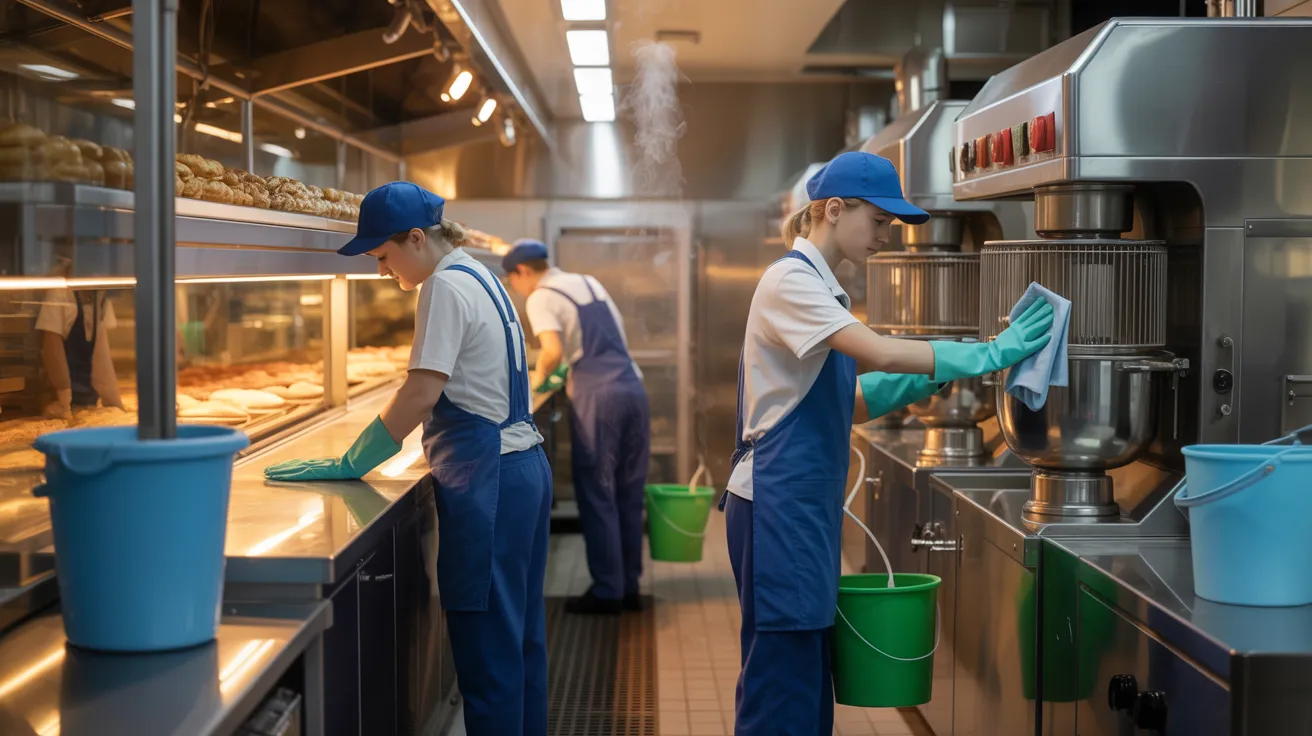
Main Points
- Brampton sanitation experts support restaurants, grocery departments, commissaries, warehouses, bakeries, schools, mobile vendors, and allergen-sensitive operations.
- Cross-contamination avoidance is accomplished by disinfecting frequently contacted areas, food-contact equipment, kitchens, floors, drains, restrooms, and storage areas with area-specific procedures.
- Proper chemical concentration, compatibility, and contact time are confirmed by trained vendors, with finishing logged via tests, audits, and corrective-action records.
- Threat, throughput, switches, releases, and guidelines ought to shape sanitation schedules, with regular, periodic, and periodic activities designated by area.
- Contractors must demonstrate hazard analysis knowledge, health regulatory competency, WHMIS instruction, insurance, testimonials, colour-coded instruments, and assessment-ready cleaning files.
Brampton Establishments That Need Food Safety Cleaning: Which Ones?
Food safety cleaning is required for any Brampton facility that handles, maintains, prepares, packages, or offers food. Apply it to your facility if it meets the criteria for health inspections, food codes, or HACCP requirements. This includes dining establishments, break rooms, distribution centers, market departments, meat shops, fish areas, stores, and food prep kitchens.
Documented food safety measures is necessary in distribution centers, manufacturing facilities, cold storage areas, bakery retailers, educational meal programs, banquet venues, and meal delivery services. Temporary mobile establishments are included, including catering trucks, festival vendors, and pop-up food booths. Your facility needs written cleaning standards whenever your workers handle raw materials, divide prepared dishes, warm meals, or keep allergens stored. In Brampton, hygiene is not elective; it forms part of statutory, functional, and public health adherence.
Which Areas Do Brampton Cleaning Experts Cover?
Professional cleaning services specializing in Brampton sanitize touched surfaces, kitchen facilities, floors, and sanitary facilities to satisfy food safety standards and health requirements. Emphasis on these spaces occurs because they pose maximum contamination danger, potential for accidents, and compliance issues.
By understanding their service scope, you are able to confirm your operation's sanitation protocols satisfy all operational and regulatory requirements.
Sanitizing High-Touch Surfaces
develop a cleaning frequency
Preventing cross-contact via replacing towels, implementing directional systems, and organizing cleaning tools according to area ensures your sanitizing system stays verifiable, defensible, and inspection-ready.
Kitchens, Floors, and Restrooms
Expect Brampton cleaning experts to target kitchens, floors, and restrooms because each area carries distinct foodborne illness prevention, slip-and-fall, and sanitation risks. In industrial kitchens, you need degreasing on cook lines, equipment exteriors, drains, prep surfaces, and splash zones to reduce bacterial growth and pest activity.
Professional floor care with documentation is also included. is likewise provided as part of the service.
Restroom cleaning involves sanitizing touchpoints, fixtures, partitions, dispensers, and waste containers, restocking supplies and controlling odours. They also service restaurant moprooms, where chemical storage, sink hygiene, and drainage conditions can affect sanitation compliance and staff safety daily.
How Food Safety Cleaning Benefits Brampton Operations
Brampton businesses need to establish food-safe cleaning standards for satisfying health code requirements and obtaining approval. You also minimize cross-contamination by cleaning and sanitizing food-contact surfaces, equipment, and high-touch areas correctly. Most importantly, you help protect community wellness by reducing the chance of food poisoning in your establishment.
Food Safety Regulations
Brampton food businesses must comply with rigorous sanitary regulations, so sanitation practices is vital to meeting health codes, safeguarding customers, and sidestepping penalties. You must maintain sanitary food-contact surfaces, written maintenance records, appropriate product handling, and traceable training practices that comply with municipal and provincial inspection expectations.
When inspectors examine your operation, they evaluate whether your hygiene protocols supports secure product handling, appliance cleanliness, waste handling, and bathroom upkeep.
Contamination Prevention
Maintaining regulatory compliance copyrights on your capacity to prevent cross-contamination during daily food handling and cleaning. You need to partition uncooked items from finished dishes, sterilize work zones between assignments, and store chemicals away from food-contact items. Explicit protocols lower contamination threats and reinforce steady regulatory adherence.
Implementing allergen separation helps ensure major allergens don't touch communal work zones, bins, or devices. Deploy dedicated cutting boards, color-coded tools, and clear tool marking so staff don't mix items while preparing or distributing. Enforce hand hygiene following raw meat, seafood, eggs, or allergen-containing products. Refresh cleaning cloths often, and verify sanitizer strength with test strips. When you train staff to follow these controls per shift, you create a cleaner, safer operation that satisfies Brampton's food safety needs regularly.
Public Wellness Defense
If proper sanitation declines, you don't merely risk a failed inspection—you boost the probability of foodborne illness harming customers, staff, and the broader Brampton region. You also weaken your role in safeguarding community wellness, especially in busy food facilities where pathogens travel quickly through surfaces, equipment, and touchpoints.
You must establish cleaning procedures that remove contaminants, disinfect correctly, and verify outcomes. This requires following contact periods, employing authorized sanitizers, logging schedules, and instructing staff to satisfy health-unit expectations. These controls promote disease prevention by limiting pathogens before contaminating food or surfaces. Across Brampton, effective sanitation safeguards vulnerable groups, reduces disease potential, and shows your diligence. When you follow standards, you exceed regulations—you meaningfully reduce risk and facilitate secure food handling city-wide.
How Does Cleaning Support Food Safety Compliance?
Maintaining strict sanitation practices strengthens food safety compliance by reducing contamination risks, managing pathogen expansion, and keeping your facility meeting sanitation requirements under HACCP-based programs and public health regulations. You ensure that product-contact areas are visibly clean and microbiologically controlled, enabling documented preventive controls and inspection readiness.
Effective cleaning also strengthens allergen management by extracting residues that can lead to undeclared allergen exposure. by clearing residues that can cause undeclared allergen exposure.
What's the Ideal Time to Schedule Commercial Cleaning?
Develop cleaning plans based on risk levels, production rates, and compliance requirements rather than relying solely on a set calendar. You should arrange standard cleaning every day
shutdowns, seasonal-related soil buildup, or pest management timeframes.
How Do You Choose Brampton Cleaning Experts?
Screen providers initially by their food hygiene standards—not budget alone. You need to confirm that every company meets CFIA, public health, and HACCP-aligned expectations for your operation. Demand proof of insurance, WHMIS compliance, training records, and management systems. Evaluate technician knowledge of contamination dangers, chemical safety, and documented sanitation practices.
You must also evaluate business consistency and oversight. Seek references from Brampton food companies, then assess response times, corrective-action procedures, and communication quality. Ensure the company enables supplier checks and can provide inspection-compliant records when authorities or third parties demand verification. Verify equipment is maintained, colour-coded tools are deployed correctly, and site-specific hazards are understood. A reputable service protects compliance, product safety, and your market standing.
What details should a Food Safety Cleaning Plan contain?
Develop a written strategy that makes clear every sanitation responsibility, standard, and task prior to production start. You should outline cleaning frequencies, approved chemicals, dilution rates, contact times, tools, and verification methods for each zone, surface, and piece of equipment. Incorporate pre-operational inspections, corrective actions, and employee training requirements.
Your strategy should also address contamination prevention controls, waste handling procedures, pest management measures, and written schedules for restrooms, drains, floors, and food-contact areas. Detail how you'll keep raw and ready-to-eat processes separate, support ingredient tracking, and maintain accurate allergen labeling through validated cleaning between product changes. You should assign accountability, maintain signed records, and review results against regulatory standards, HACCP controls, and customer requirements. When gaps appear, update procedures immediately and instruct staff.
Regular Asked Questions
Are sanitation providers available for overnight shifts in Brampton facilities?
Yes, you can arrange cleaning services to accommodate nighttime operations in Brampton facilities. You'll coordinate nighttime cleaning around operational windows, security protocols, and personnel needs. Providers generally create nighttime procedures to reduce interruption, stay compliant, and record finished tasks. You should verify response times, supervision, access procedures, and disposal procedures before starting service.
Will Brampton cleaning experts respond to hazardous incidents?
Yes, you can locate Brampton sanitation experts providing hazard containment options. They manage contamination, assess dangers, contain affected zones, and begin swift decontamination to minimize exposure and prevent business disruption. You should confirm timeframes, credentials, PPE measures, and waste procedures. If your facility must adhere to regulations, select a service that tracks incidents, adheres to standards, and supports verification.
Do environmentally safe disinfectants operate safely on food-contact surfaces?
Yes, eco-friendly disinfectants can be suitable for food preparation areas if you pick solutions certified for food use and complying with regulations. You should verify contact times, mixing proportions, and rinsing needs before implementation. Many natural-based solutions minimize harsh chemical exposure, but you must obtain evidence of effectiveness against relevant pathogens. To maintain residue free surfaces, you need to follow precise manufacturer instructions and confirm the sanitizer adheres to food industry regulations.
Do sanitation programs permit seasonal production changes?
Absolutely, maintenance plans allow customization for seasonal production changes. Adapt intervals, staff levels, disinfectants, and verification steps to align with seasonal patterns while upholding regulatory compliance. Decrease production interruptions through planning sanitization surrounding production shifts, peak volumes, and equipment use patterns. Additionally update standard operating procedures, employee training, and environmental monitoring to capture seasonal hazards, novel allergens, or higher contamination levels. Ongoing evaluations maintain the plan functional.
Will professional cleaning services teach employees on hygiene best practices?
Indeed, professional cleaners often offer staff training on sanitation best practices. Your staff obtains training on safe chemical application, exposure durations, cross-contamination prevention, equipment disassembly, and documentation. They typically follow training with HACCP, GMP, and CFIA or local public health requirements. Many also execute sanitation audits to verify compliance, reveal issues, and strengthen improvement measures. This additional resource supports you in establish reliable processes, achieve compliance, and reduce food safety risks each day.
Closing Remarks
By collaborating with Brampton food safety and commercial cleaning professionals, you aren't simply tidying—you maintain your facility inspection-ready and your practices up to code. From production areas to kitchen zones, every sanitized surface and organized space decreases contamination and prevents costly issues. By arranging service on the right schedule and adhering to a systematic cleaning protocol, you protect staff members, customers, and your credibility. In a strictly regulated industry, hygienic conditions must be prioritized—they're essential to successful operations.